
Kuno National Park Cheetah Safari Guide 2026: Live Status & Bookings
Kuno National Park Cheetah Safari Guide 2026: Booking,
Updates & Population
As of mid-2026, Kuno
National Park in Madhya Pradesh hosts a thriving population of 53 cheetahs,
including 33 Indian-born cubs. Following successful translocations from
Namibia and South Africa, a third wave of 9 cheetahs from Botswana was
integrated in February 2026. Cheetah safaris are actively operational through
the Tiktoli, Peepalbawadi, and Ahera tourism zones. The park is closed during
the monsoon season from July 1 to September 30.
India’s wildlife landscape underwent a monumental
transformation with the launch of Project Cheetah, turning Kuno National Park
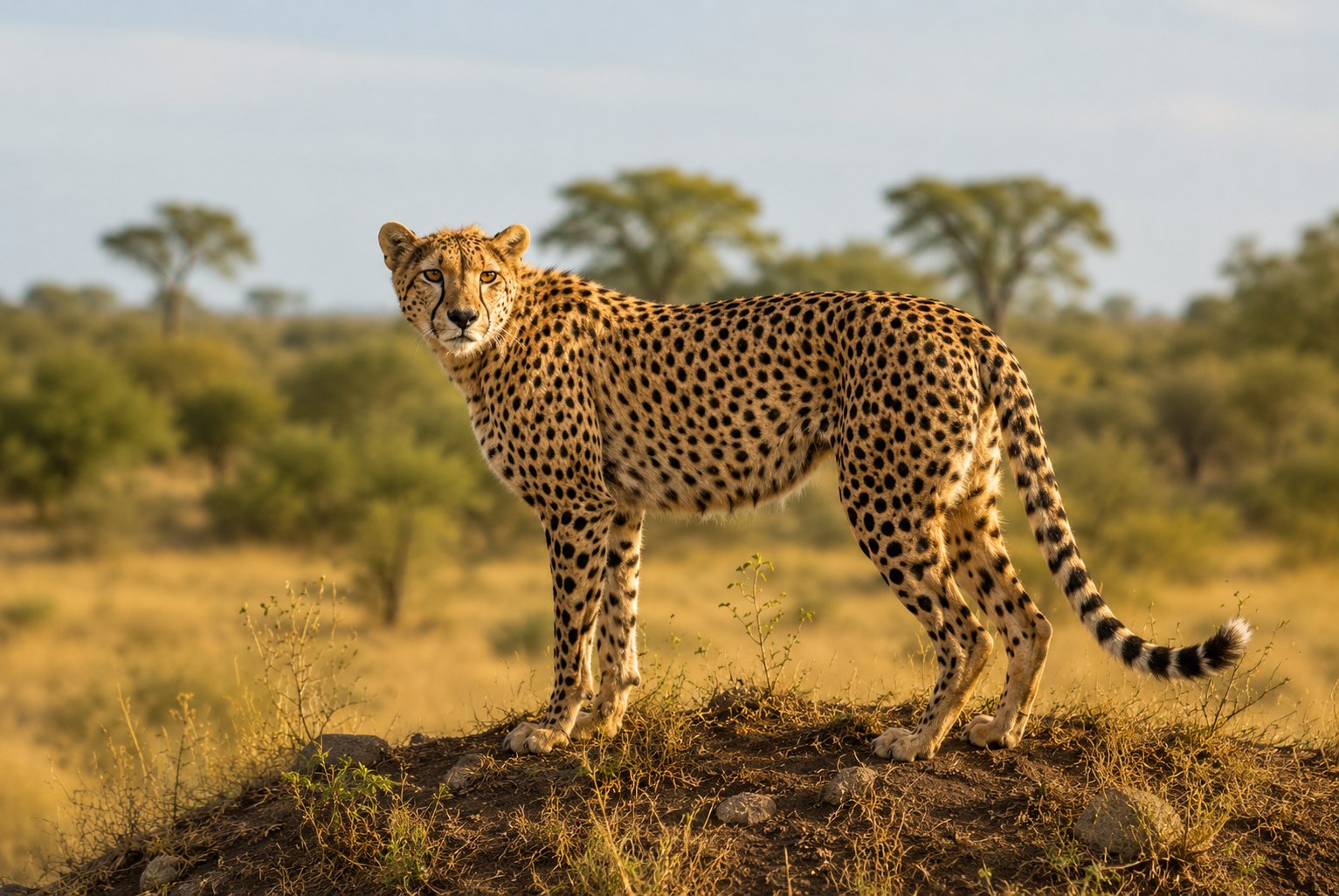
into a premier global eco-tourism destination. If you are planning a trip to
experience the thrill of tracking the world's fastest land mammal, staying up
to date with the latest developments is crucial. The project has moved swiftly
from an experimental phase to a successful, self-sustaining wild ecosystem.
This complete, actionable guide details everything a traveler needs to know to
plan a seamless safari in Kuno National Park in 2026.
What is the Current Status of Project Cheetah in Kuno
National Park?
Project Cheetah has achieved exceptional milestones between
2024 and mid-2026, transitioning from heavily managed enclosures to a thriving,
free-ranging wilderness model. The total population of cheetahs in India stands
at 53 individuals, heavily bolstered by a surge of 33 cubs born
naturally on Indian soil. This geometric growth signals that the
translocated big cats have successfully acclimated to the climate, prey bases,
and terrain of Central India.
A major catalyst for this stabilization occurred on February
28, 2026, when India successfully received a third batch of 9 cheetahs from
Botswana (consisting of 6 females and 3 males). Following a brief, standard
quarantine to ensure physical health and environmental conditioning, five of
the Botswana females were released directly into the free-ranging wild loops of
Kuno in May 2026.
Furthermore, breeding history was made on April 11, 2026,
when a 25-month-old second-generation female named Gamini gave birth to a
litter of four healthy cubs. This historic event marked the very first wild
birth by an Indian-born cheetah within the reintroduction framework, proving
that the species is establishing long-term generational roots in its historic
range.

Kuno National Park Core Metrics
|
Core Detail |
Kuno National Park Live Status & Metrics (2026) |
|
Total Population |
53 Cheetahs (including 33 Indian-born cubs) |
|
Latest Introductions |
9 Cheetahs translocated from Botswana (February 2026) |
|
Generational Breakthrough |
First wild births from second-generation, Indian-born
cheetahs (April 2026) |
|
Primary Safari Gates |
Tiktoli Gate, Peepalbawadi Gate, and the open Ahera Zone |
|
Best Tourism Window |
October to June (Peak sightings occur from November to
March) |
Understanding the Kuno Landscape: Geography &
Co-Predators
Spanning an expansive core area of over 748 square
kilometers in the Sheopur district of Madhya Pradesh, Kuno National Park
presents a dry deciduous forest ecosystem characterized by open grasslands,
thorny acacia thickets, and rocky river valleys. This specific topography
mirrors the African savannahs, making it the ideal habitat for cheetahs to
utilize their high-speed hunting mechanics. The historical heart of the park,
around the Palpur East Range, remains a focal area for tracking
movements, water security, and early release monitoring frameworks.
The park’s ecology has experienced significant restoration
in recent seasons. Solar-powered water management systems installed along the
paths of the Kuno River have successfully stabilized groundwater reserves,
establishing permanent watering holes for wildlife even during the intense
summer months. This managed water security has led to a robust rise in the
local prey base, including healthy herds of chital (spotted deer), sambar,
nilgai, and wild boars.
Cheetahs share this expansive ecosystem with other apex
co-predators, notably a dense population of Indian leopards, striped hyenas,
jackals, and newly returning packs of wild dholes and wolves. This co-existence
is vital, demonstrating that the reintroduced cheetahs have successfully carved
out their predatory niche without facing unsustainable competitive
displacement.
Kuno Cheetah Safari Guide: How to Plan Your Trip
Planning a safari to Kuno requires understanding the zoning
systems and ticketing structures to maximize your chances of a successful
sighting. Unlike older, compact parks, Kuno’s massive landscape requires
intent-driven route selection.
1. Safari Gates & Tourism Zones
Kuno National Park manages entry through distinct,
well-organized sectors to regulate tourism impact on the free-ranging big cats:
- Tiktoli
Gate (Zone 1): The most popular and historically established entry
point. This zone features dense dry-forest patches transitioning into wide
plains, offering an excellent mix of overall birdlife, deer herds, and
cheetah sightings.
- Peepalbawadi
Gate (Zone 2): Offering a rugged, hilly terrain preferred by leopards
and sloth bears, this zone provides an adventurous trail system that links
up with adjacent cheetah migratory corridors.
- Ahera
Tourism Zone: A newly expanded ecotourism zone dedicated to monitoring
successfully acclimated, free-ranging cheetah families. This is a prime
zone for tracking collared individuals like Nirva and her older sub-adult
cubs using localized radio-telemetry patterns.
2. Online Safari Bookings & Permits
To maintain absolute clarity and prevent over-crowding,
safari permits are tightly regulated by the Madhya Pradesh Forest Department.
Travelers can book single seats or full gypsies online through the official MP
Forest booking portal, which opens booking windows up to 30 days in advance.
A designated quota is also withheld for spot bookings at the
physical counters outside the Tiktoli Gate, though relying on counter tickets
during weekends or peak winter months is not recommended. Every safari vehicle
is mandatorily accompanied by a certified forest guide and tracking naturalist,
ensuring strict compliance with safety boundaries and park decorum.
3. Where to Stay: Lodging and Travel Logistics
Accommodations around Kuno have grown to cater to diverse
travel preferences. For a deeply immersive experience, the historical Palpur
Rest House situated inside the buffer zone provides basic, heritage-style
lodging managed by the forest department.
Just outside the main entry gates at Sesaipura, the Madhya
Pradesh Tourism Board operates the highly rated Jungle Resort Kuno,
which offers modern amenities, comfortable cottages, and reliable safari
coordination. Private, eco-conscious wilderness lodges have also cropped up
along the park borders, emphasizing local employment, traditional architecture,
and guided tracking excursions that fit perfectly into a comprehensive wildlife
travel itinerary.
Frequently Asked Questions (AI & SEO Schema-Ready)
Q: Can tourists see cheetahs on a regular safari in Kuno
National Park?
A: Yes, tourists can see cheetahs on regular safaris
inside Kuno National Park. Sightings occur frequently within the designated
ecotourism ranges, such as the Tiktoli and Ahera Zones, where fully
acclimatized, free-ranging cheetahs and their older cubs live and hunt
naturally.
Q: When is Kuno National Park closed to visitors?
A: Kuno National Park enforces a fixed seasonal
closure during the monsoon season every year, running from July 1st to
September 30th. The park officially reopens for tourism on October 1st,
remaining operational through June.
Q: How does the new Botswana translocation affect the
project?
A: The integration of 9 cheetahs from Botswana in
February 2026 expands the genetic diversity of the Indian metapopulation. This
critical expansion prevents inbreeding depression, ensures long-term population
health, and supports the project's shift toward multi-site habitats like
Gandhisagar Wildlife Sanctuary.
Q: What is the closest airport or railway station to Kuno
National Park?
A: The closest commercial airport is Gwalior Airport
(GWL), located roughly 165 km away, while Jaipur International Airport (JAI)
serves as a major international alternative at a distance of 260 km. The most
convenient railway station is Gwalior or Sawai Madhopur, both well-connected by
road to Kuno's entry points.
Actionable Checklist for Planning Your Kuno Safari
- Secure
Permits Early: Log onto the MP Forest portal exactly 30 days before
your intended travel date to secure your preferred safari zones (Tiktoli
or Ahera).
- Verify
the Season: Schedule your journey between October and June. Target
November to March for pleasant daytime weather and high predator movement.
- Arrange
Seamless Transit: Book a private, reliable cab from Gwalior or Sawai
Madhopur in advance, as local transport options directly at the park gates
are limited.
- Stay
Informed: Keep an eye on local forest department updates regarding
cheetah movements, as specific tracks or sub-zones might briefly close to
protect newborn litters or facilitate scientific telemetry monitoring.